Illuminating The Narrative: The Use of Lighting in Rear Window
The use of lighting in Rear Window adds to the overall narrative of the film. The most
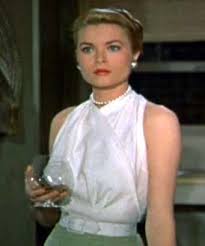
standout lighting effects have to do with the character of Lisa Fremont. Lisa
is a central character in the film, and the lighting of her character adds to
the audience perception of her. Lisa is consistently brightly illuminated
throughout the majority of the film. In fact, Lisa is the one who constantly
turns the lights on in Jeff’s apartment. We, as viewers, can infer from her
constant illumination that she is a voice of reason for Jeff throughout the film.
Jeff is persistently in the dark, literally and figuratively throughout the
film. When Jeff is shown in dark lighting, the audience is able to deduce that
he is also “in the dark” in regards to the events that are taking place in each
of the apartments. Due to this deduction in regards to Jeff’s darker lighting,
viewers are able to see Lisa’s lighting as a symbol of enlightenment. The
bright lighting of Lisa can also indicate to the viewer a greater sense of her
beauty and the “perfection,” which Jeff struggles with in his debate about
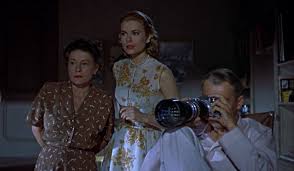
whether or not to marry her. Lisa’s constant illumination makes the audience
take more of a notice when she is not lit, like in the scenes where she is
helping to “investigate” Thorwald. In these instances of darker lighting of
Lisa, Jeff appears to be more pleased with her. The darker lighting takes away
from the “perfection” that Jeff has a difficult time grappling with. This use
of lighting adds a greater depth to the narrative of the film. A typical viewer
may not take immediate notice of the varied lighting, but the use of varied
lighting is not wasted on the viewer’s subconscious.
Lisa Illuminated in Jeff's Apartment (Brightly Lit)

 Lisa Helping to Investigate Thorwald (Much Darker)


No comments:
Post a Comment